Gifting an Automatic Litter Box (2026): The Guide for Buying One for Someone Else
An automatic litter box is one of the few gifts that hands someone back ten minutes a day, every day — and one of the few that can flop if you pick it like you'd pick it for yourself. Which machine fits which household, the recurring costs you're quietly gifting alongside it, and why the cat gets a vote.
Some links below are affiliate links. If you buy through them, MeowTested may earn a small commission at no extra cost to you, including as an Amazon Associate, where we earn from qualifying purchases, and as a partner of Whisker, the maker of Litter-Robot. We only recommend products that pass our Fit Analysis — and we publish the ones that don't.
An automatic litter box is a genuinely great gift for exactly one reason: you are not gifting a gadget, you are gifting back the chore. A scooped-daily box costs its owner three hundred-odd scooping sessions a year. No candle competes with that.
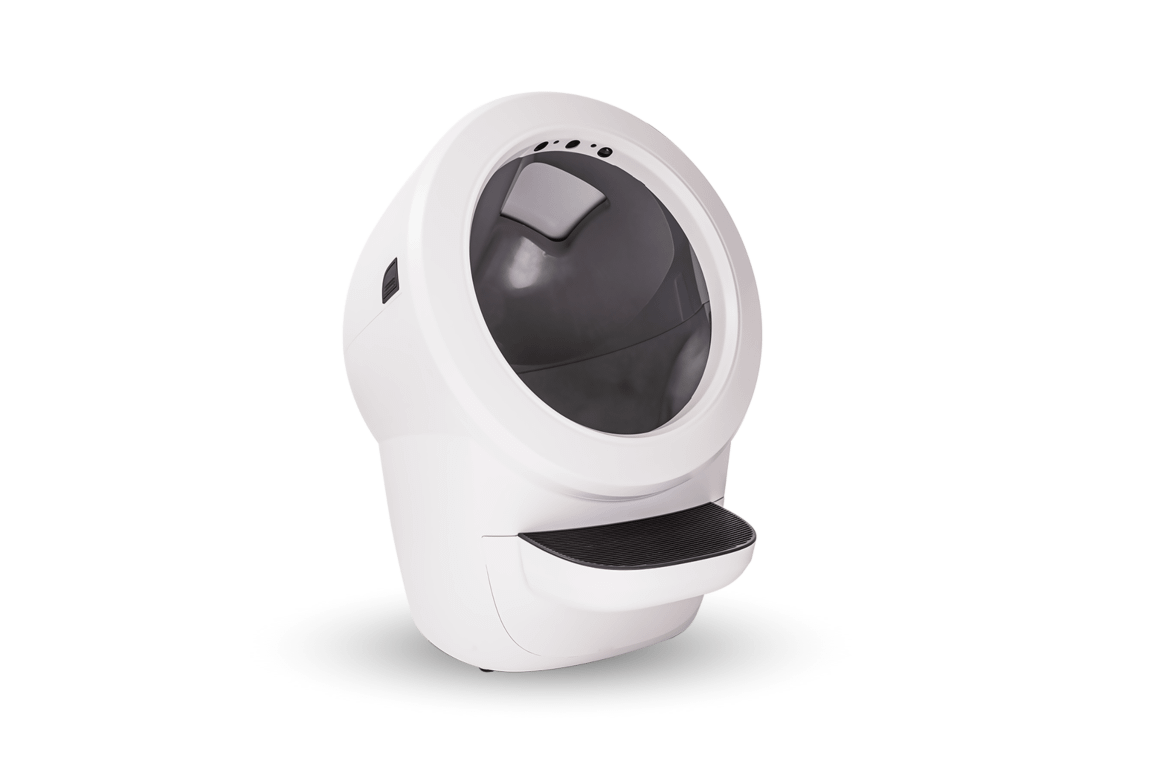
If the budget allows it, the Litter-Robot 4 is the gift version of this category — the machine with the best safety-sensor reputation, the app that tracks each cat by weight, and no proprietary consumables locking your giftee into anything. At around $700 it is firmly in group-gift or big-holiday territory, which is exactly where Black Friday season puts it.
The smarter buy for most gift budgets is the middle tier. The PETKIT PuraMax 2 (around $250–300) does most of what the Litter-Robot does for a fraction of the price, and the open-top Neakasa M1 Plus Lite (around $330 as of early September, having drifted up from ~$250) is the pick when the recipient's cat is large, senior, or suspicious of enclosed spaces.
Two gift-specific traps. First, the cheap tier: below roughly $150 an automatic box is usually the worst way to spend the money — our budget guide explains why — so a smaller budget buys a better gift outside this category. Second, recurring costs: a crystal-tray machine like the ScoopFree commits its owner to proprietary refills forever. That is a subscription wearing a bow.
And the one rule that decides whether this gift lands: gift the human, not the cat. Cats need a transition period with any of these machines, so the surprise is the unboxing, not the swap. Tell the recipient what it is, and let them run the switch at the cat's pace.
The gift comparison, side by side
| Model | Price band | What you're also gifting | Litter it takes | Listed size & weight | Best giftee | Gift risk |
|---|---|---|---|---|---|---|
| Litter-Robot 4 | $$$ (~$700) | No proprietary consumables — any clumping litter, standard bags | Any clumping | 29.5" H × 24.25" W × 27" D · 24 lb | Multi-cat homes; the person who'd never spend this on themselves | Price, and it needs real floor space |
| PETKIT PuraMax 2 | $$ (~$250–300) | Standard liner-bag refills; works with most clumping litters | Most clumping | 22" H × 22" W × 24.2" D · 22 lb | One to two cats; the best value-per-dollar gift in the category | Enclosed drum — not for very large cats or box-suspicious ones |
| Neakasa M1 Plus Lite | $$$ (~$330–400 — verified 2026-09-02, drifted up from ~$250) | Standard trash bags (a starter set ships in the box) | Any hard clumping | 20.6" H × 20.2" W × 23.2" D · 23 lb | Large, senior, or enclosed-box-refusing cats — it's open-top | Open top means more litter scatter and less odor containment |
| PetPivot AS11 | $ (~$160–200) | Plain liners (starter pack + mat in the box); any hard-clumping litter | Any hard clumping | 24" H × 20.3" W × 21.5" D · 22 lb | The under-$200 budget: an open-top box with no consumables lock-in | Open top, so less odor containment; not for kittens under 3 lb per the listing |
| PetSafe ScoopFree Crystal Pro | $ (~$150–200) | Proprietary crystal-litter trays, forever — a recurring cost decision you'd be making for them | Proprietary crystal trays | 16" H × 19.1" W × 27.6" D · 18.1 lb | Only a giftee who already knows and wants the crystal-tray system | You're gifting a consumables subscription, not just a machine |
Why this is a better gift than it sounds
Say "I got you a litter box for Christmas" out loud and it sounds like a prank. But walk through what the recipient actually does every day and the math flips. A scooped-manually box is a twice-a-day commitment that never takes a holiday — call it ten minutes a day between the scooping, the bag-tying, and the topping-up, every single day, for the life of the cat. An automatic box turns that into emptying a sealed drawer every few days. Our worth-it deep-dive runs the full accounting, but the short version is that this is one of the very few gifts in any category that returns time daily.
That also tells you who to buy it for. The best giftees are the households where the chore bites hardest: multi-cat homes (where the box needs attention more than once a day), new parents and overloaded households (where the box is the first chore to slip), anyone with mobility or back trouble (scooping is a floor-level chore), and the classic case — the person who does all the scooping in a two-person household and would never spend $700 on themselves. That last profile is exactly why this category shows up on Black Friday gift lists: it is a luxury exactly the way a robot vacuum is a luxury. Nobody needs it; everybody who has one defends it.
One honest caveat before you spend anything: if the recipient's budget conversation would be "that money should have gone to rent," the gift version of this problem is a top-entry or high-sided manual box and a good mat. An automatic box is a time-luxury, not a necessity, and the recipient knowing you spent $700 can land as pressure rather than generosity. Know your giftee.
The tier to skip, and the subscription trap
Gift budgets cluster at round numbers, so here is the map by band.
Below about $150: skip the category entirely. This is the standing conclusion of our budget automatic litter box guide and it goes double for gifts: the cheap automatic tier is where the reliability complaints, the flimsy sensors, and the abandoned-in-a-closet machines live. A cheap version of a luxury is the worst of both. If the budget is under $150, a genuinely nice manual setup — a big well-designed box, a litter mat that actually traps, a month of premium litter — is a better gift than a bad robot.
Around $250–300: the value center of the whole category. The PETKIT PuraMax 2 and the Neakasa M1 Plus Lite both live here, and our head-to-head against the Litter-Robot found the PETKIT does most of the same job. The choice between the two is really about the recipient's cat, which the next section covers.
Around $700: the Litter-Robot 4, which is the reputational safe pick in the same way a KitchenAid mixer is — the recipient will know the brand, the resale market knows the brand, and our worth-it verdict is that the premium buys real things: the most trusted safety-sensor setup in the category and per-cat weight tracking that quietly doubles as a health monitor.
The trap band is the cheap-looking ScoopFree tier, and the trap is not the machine — it's the refills. Crystal-tray systems use proprietary disposable trays, and that recurring cost belongs to your giftee forever. As our main comparison puts it, the price gap between a tray system and a drum box that eats $15 store-brand clumping litter closes fast. Gifting one is signing someone else up for a subscription they didn't choose. Only do it when the recipient already runs the crystal system and loves it — in which case a stack of refill trays is, unironically, also a good gift.
The one under-$200 machine that clears the bar: the PetPivot AS11, an open-top drum at around $160–200 (verified 2026-09-02: $160 on a limited-time deal, $200 list) that takes any hard-clumping litter with plain liners. It doesn't have the enclosed boxes' odor sealing, but it isn't a consumables trap either, which makes it the honest answer for a gift budget that lands between "a nice manual setup" and the $250 tier.
Match the machine to their cat, not to the spec sheet
Buying for someone else means buying for a cat you may have only met in photos. Three questions sort nearly every case.
How big is the cat? Enclosed drums have real interior limits. A Maine Coon or any cat pushing 15+ pounds is cramped in most globes, and a cramped cat votes with its bladder — somewhere on the carpet. For big cats, the open-top Neakasa design is the safer gift. When in doubt, ask the recipient how much the cat weighs; it is not a suspicious question.
How old and how bold? Senior cats and skittish cats are the two groups most likely to refuse an enclosed, moving machine. An open-top design lowers both the physical step-in and the psychological one. And a kitten household should generally wait: these machines detect occupancy by weight, and makers publish minimum weights (Whisker's guidance for the Litter-Robot is around three pounds) — below that, the safest answer is a plain box until the kitten grows into the sensors.
One cat or several? Multi-cat is where automatic boxes earn their price fastest — the box is never dirty for the second cat — and it's where the Litter-Robot's per-cat weight tracking becomes genuinely useful rather than a gimmick, because it tells the owner *which* cat's habits changed. That is an early-warning system for the health problems that show up in the litter box first.
And whatever machine you choose: the cat was not consulted, so the transition is part of the gift. Every maker (and every experienced owner) recommends running the new machine powered off next to the old box first, then powered on, then retiring the old box only once the cat has committed. That takes days to a couple of weeks. Which is the real reason you should not surprise-gift the machine fully assembled with a bow on the drum — tell the recipient what it is, and let them run the swap at the cat's pace. The surprise is the generosity, not the logistics.
Black Friday timing, and where to buy it
This category is one of the more predictable Black Friday performers, which matters if you are reading this in the fall with a gift deadline.
On the Litter-Robot: Whisker (the maker) runs a holiday sale on its own site that it currently advertises at up to $100 off, with bundle discounts through the rest of the year typically capping around $75 — and historically the deepest cuts land on bundles and refurbished units rather than the bare machine. The Amazon listing tends to track the direct price. An update since we first published this guide: we're now Whisker partners, which resolves the buy-direct-or-through-us question in your favor — our Whisker link *is* the direct store, and it applies $50 off any Litter-Robot unit or bundle at checkout. Direct orders also carry Whisker's advertised 90-day in-home trial, the strongest possible insurance for exactly the gift-goes-wrong case — the cat refusing the machine. Amazon purchases fall under Amazon's ordinary return window instead, which is shorter but simpler. For a gift with a cat-acceptance risk attached, the return policy is part of the spec sheet.
On the PETKIT: the PuraMax 2 launched at a list price around $460 and has spent much of 2026 selling at around $300 — the discount is common enough that paying full list is a mistake in any month, not just November.
On timing in general: prices in this piece are bands, not promises — they move weekly in Q4. The stable facts are the tiers themselves: the ~$700 flagship, the ~$250–300 value center, and the tray-subscription budget tier. Pick the tier for your budget and giftee first, then let whatever sale week you're in decide the final price.
One logistics note that surprises people: these are big boxes. The Litter-Robot ships at 24 pounds and stands about 29.5 inches tall; even the mid-tier machines are 20+ pound cartons. If the plan is to travel with the gift, ship it to the destination instead.
On the Neakasa: the cleanest gift version is the M1 bundled with a 17.6 lb bag of Neakasa's mineral litter, so the recipient isn't sent to the store before the box can run. The M1 runs on any hard-clumping litter, so the bundled bag is a starter, not a lock-in.
The shortlist
Every pick below is research- and spec-driven — sizes and weights are the makers' listed figures, verified against the live Amazon listings this run. We haven't bench-tested these machines; where we compare them, we're synthesizing the makers' specs, owner reports, and our own published deep-dives.
The gift-tier pickLitter-Robot 4
The category's reference machine and the safest expensive gift in it: rotating self-sifting drum, any clumping litter, no proprietary refills, and per-cat weight tracking through the app that multi-cat households actually use. Listed at 29.5" H × 24.25" W × 27" D and 24 lb — confirm floor space before gifting. Around $700; holiday bundles are where the discounts live. $50 comes off automatically through our Whisker link at checkout.
Save $50 at Whisker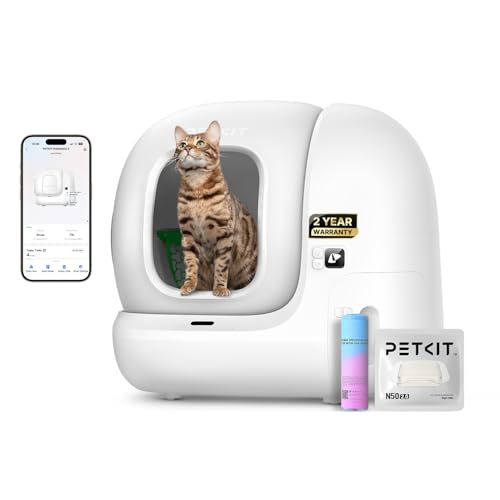 Best value gift
PETKIT PuraMax 2
Most of the Litter-Robot's job at less than half the price: rotating drum, sealed waste bin with a built-in deodorizer, and standard liner bags rather than proprietary trays. Listed at 22" × 22" × 24.2" and 22 lb. The right gift for a one- or two-cat household with a normal-sized cat; around $250–300, and frequently discounted from its higher list price.
Check price on Amazon For big, senior, or wary cats
Neakasa M1 Plus Lite
The open-top answer: no globe to climb into, which is exactly what large cats, older cats, and enclosed-box refusers need. Any hard-clumping litter, standard trash bags (a starter set is included), app control and safety sensors. Listed at 20.6" × 20.2" × 23.2" and about 23 lb. Around $330 on Amazon as of early September 2026 (list $400), up from the ~$250 it sold for over the summer — check the current price before assuming it is the cheaper option. The trade-off for the open top is more scatter and less odor containment — pair it with a good mat. If you want the whole gift in one order, Neakasa also sells the full M1 bundled with a 17.6 lb bag of its mineral litter — the box arrives ready to fill.
Check price on Amazon The under-$200 gift that isn't a trap
PetPivot AS11
The open-top budget option: a self-cleaning drum at around $160–200 (verified 2026-09-02: $160 on a limited-time deal, $200 list) that runs on any hard-clumping litter with plain liners, so you're not gifting a refill subscription. Ships with a starter liner pack and a mat. The listing describes infrared and Hall-effect sensors and a wide 16.3" × 15.4" entrance; owners most often mention how quiet it runs. Listed at 24" × 20.3" × 21.5" and 22 lb. Same open-top trade-off as the Neakasa — less odor containment — so pair it with a good mat.
Check price on Amazon Only for the tray-system convert
PetSafe ScoopFree Crystal Pro
A rake-and-tray machine at around $150–200 that works well for the specific owner who wants the crystal-litter system — but its proprietary disposable trays are a permanent recurring cost, which makes it a risky thing to choose on someone else's behalf. Listed at 27.6" × 19.1" × 16" and 18.1 lb, front-entry. Gift it only to someone who already runs crystal trays and loves them.
Check price on AmazonThe one-sentence version for the checkout line: budget under $150, buy a great manual setup instead; $250–300, PETKIT PuraMax 2 for normal cats or the open-top Neakasa for big/senior/wary ones; $700 and a household that will use it for years, Litter-Robot 4 — and always tell the recipient before the box arrives, because the cat needs a transition plan more than the human needs a surprise.
Frequently Asked Questions
Is an automatic litter box actually a good gift?
For the right household, it's one of the best gifts in the pet category — you're returning ten minutes a day to someone, indefinitely. The fit test is the chore, not the cat: multi-cat homes, overloaded households, anyone with back or mobility trouble, and the designated scooper in a two-person home all feel it immediately. The wrong giftee is a kitten household (the machines have minimum-weight guidance for their occupancy sensors) or someone whose cat is old, huge, or deeply suspicious of new equipment — for those, the open-top tier or a plain nice manual setup is safer.
Which automatic litter box is best for a multi-cat household?
The Litter-Robot 4 is the strongest multi-cat gift: the box resets itself after every visit so it's never dirty for the second cat, it runs on any clumping litter, and its app identifies each cat by weight — which turns litter-box data into an early health signal per cat. Our full comparison covers where the cheaper drums keep up and where they don't.
Should I buy from Amazon or direct from the maker?
For most of these machines Amazon is the simple answer. The Litter-Robot is the exception worth thinking about: Whisker advertises a 90-day in-home trial when you buy from its own store, and for a gift whose main failure mode is 'the cat said no,' a long trial window is real insurance. Amazon purchases fall under Amazon's standard return window instead. Check both prices in Q4 — they tend to track each other, with Whisker's deepest cuts landing on bundles.
What ongoing costs come with each machine?
The drum machines (Litter-Robot, PETKIT, Neakasa) run on ordinary clumping litter plus bags — the PETKIT uses inexpensive liner refills and the Neakasa takes standard trash bags. The ScoopFree is the outlier: it uses proprietary disposable crystal trays, a recurring cost that belongs to whoever owns the machine. When you gift a tray system, you're choosing a consumables bill on the recipient's behalf — which is why we only recommend it for someone who already uses and likes crystal trays. Our litter-for-automatic-boxes guide covers what the drum machines feed on.
Will the cat actually use it?
Usually, with a transition — rarely on day one. The standard playbook is to run the new machine powered off beside the old box, let the cat investigate, then power it on, and only retire the old box once the cat has fully switched. That takes anywhere from a few days to a couple of weeks. This is exactly why the gift should not be a total surprise: the recipient needs to run that process at the cat's pace, and a long return window (see the Whisker trial note above) covers the rare cat who refuses outright.
If you're still torn
The rest of our litter-box coverage goes deeper on every fork in this decision. The main comparison ranks the category for someone buying for their own cat; the Litter-Robot 4 worth-it verdict interrogates the $700 question directly; the Litter-Robot vs PETKIT head-to-head is the two-finalists tiebreaker; the budget guide explains what under $300 really buys; and once the machine is chosen, the litter guide for automatic boxes is the natural stocking-stuffer follow-up. And if you've read all this and concluded the recipient's real problem is smell rather than scooping — that's a different gift.